
I Never Use Disinfecting Wipes On These 7 Things
I love having a clean home, and disinfecting wipes help me to keep it that way. With that said, there are seven things I never use them to clean, and there’s a good reason why. I’m always looking for easier ways to keep my home clean and sanitized, and disinfecting wipes are a great tool for maintaining cleanliness and preventing the spread of germs.
Below, you’ll discover why you should never use disinfecting wipes on some things in your home and why.
We participate in the Amazon Services LLC Associates Program, Skimlinks, and other Affiliate Programs. As an Amazon Associate, I earn from qualifying purchases. Affiliate advertising programs like these allow us to earn fees by linking to affiliated sites at no cost to you. As Amazon Associates, we earn from qualifying purchases. Please check our Disclosure Privacy Policy page. Thank you for supporting our website.
A Little Background On Disinfecting Wipes
First, it’s a good idea to provide some background on disinfecting wipes so you understand what they are and how they work. The history and implementation of disposable wipes are very interesting.
📒NOTE: Always read the manufacturer’s labels and guidelines before using any cleaning products in your home or on your belongings.
The concept of wet wipes traces back to Arthur Julius. He invented the first wet wipe in 1957 in his New York loft apartment. He worked in the cosmetics industry and initially intended his “Wet-Nap” (trademarked in 1958) for cosmetic use and skin hygiene.
Furthermore, he unveiled this invention at the 1960 National Restaurant Show in Chicago. Afterwards, he sold them to Kentucky Fried Chicken for their customers to clean their hands. Wow, I had no idea about that, did you?
Of course, the idea for these wipes didn’t fully develop and gain popularity until the 1970s. This advancement enabled wider production and increased availability.
Most Popular Disinfecting Wipes
One prominent example is Clorox Disinfecting Wipes, which gained popularity in 2000. This brand is one of my all-time favorites and typically my go-to, unless another brand runs a good sale. Another brand I love and that works great is Lysol Disinfectant Wipes. Both tie for first place in my home.
According to some research, the idea for these wipes originated from a desire to improve upon their existing bleach-based cleaner, Clorox Clean-Up, specifically to address concerns about bleach splash-back during cleaning. +
Moreover, they sought a product that could disinfect surfaces without the mess associated with other cleaners. The rest is history, and now, it’s a household staple due to its ease of use and versatility.
Interestingly, the demand for disinfecting wipes increased during the H1N1 and COVID-19 pandemics. They were impossible to find in any store, and for good reason. The public believed they would help stop the spread due to their role in promoting hygiene and preventing the spread of germs.
Today, manufacturers continue to innovate, with a focus on developing more sustainable and environmentally friendly options.
So, with that said, let’s find out what you should never use them for when cleaning your home.
1 – Wood Furniture
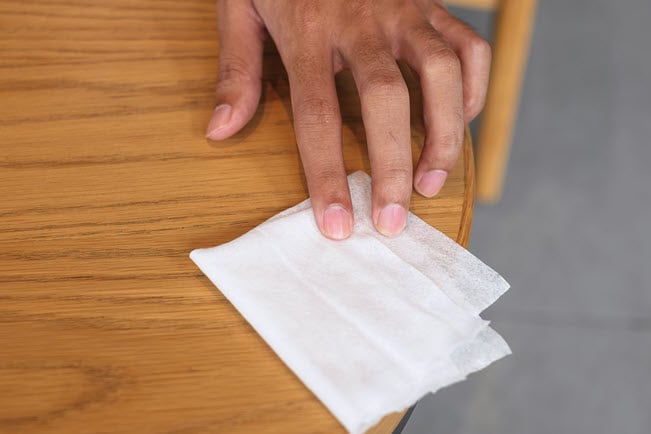
I once made the mistake of wiping down my end table with a disinfecting wipe, and it nearly took the finish right off. Additionally, it left a white stain that I am unable to remove. I tried using Old English Wood Conditioner & Cleaner to help restore its natural beauty. Fortunately, this did help dramatically improve the stain.
Most wipes contain bleach and other harsh chemicals, so never use them on any furniture. Period.
2 – Leather or Vinyl Surfaces
Of course, using disinfecting wipes on leather or vinyl is not the best idea. In fact, it will cause more harm than good and can lead to discoloration, fading, or brittleness as a result. While it’s tempting to use them to sanitize and make surfaces germ-free, it stands a good chance of destroying your leather or vinyl furniture.
Instead, use Leather Honey Leather Conditioner to clean your leather or vinyl. Over 63k shoppers love it and swear by it.
3 – Hand and Body
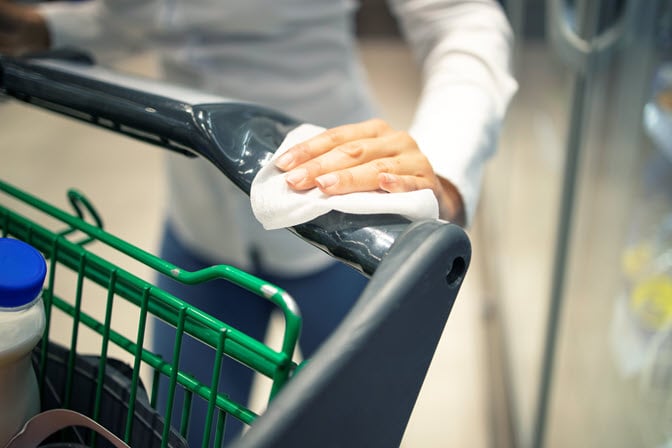
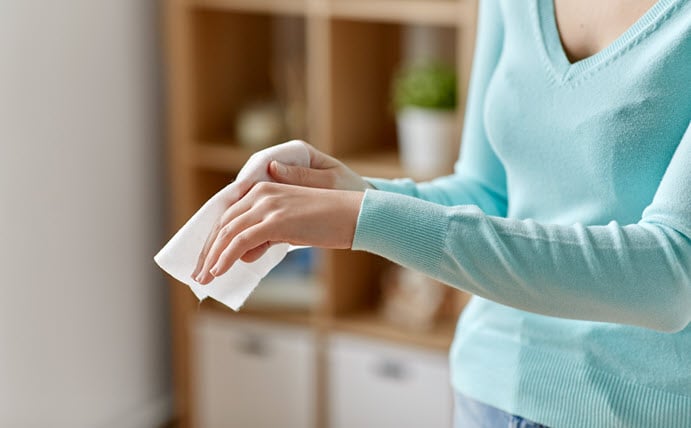
Many people use these sanitizing wipes on their hands and even their bodies. Be sure to avoid using these harsh wipes on your hands or body. For example, when you walk into a grocery store, they often offer wipes to clean your cart, but are these safe for your hands as well? I wouldn’t trust them.
Instead, bring your sanitizing hand wipes with you when you are out and about. I love these Wet Ones Travel Packs. I take them with me everywhere I go. They don’t dry my hands, and I use them to wipe down my shopping cart as well. I never leave home without them. Unlike other wipes, they don’t dry out my skin and have a very light fragrance.
This family-safe active ingredient protects after it is applied. Furthermore, these wipes are suitable for both adults and children. They contain Aloe vera and Vitamin E, and are alcohol-free.
4 – Toys or Children’s Furniture
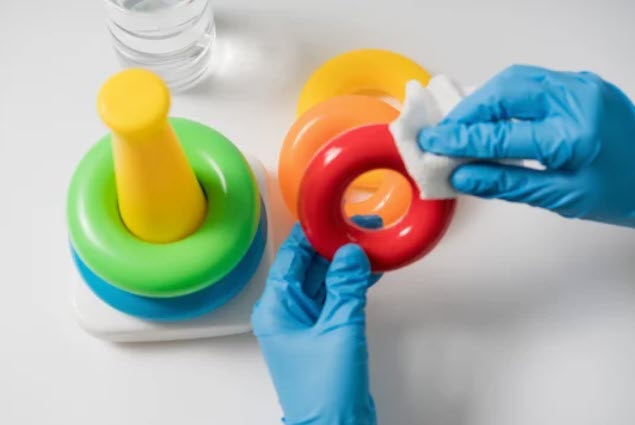
We all want our children’s toys to be germ-free and as clean as possible. Never use disinfecting wipes on them as they can cause harm and make them sick. As you know, children often put their hands and toys in their mouths, allowing them to absorb harsh chemicals.
Instead, use plain soap and water to clean toys and wipe down their furniture as well.
5 – Pet Bowls and Toys
The same rules apply to our pets’ toys, bowls, and any items they come into contact with. Your pets can experience a severe and harmful reaction to the chemicals in disinfecting wipes. It can cause dermatitis and/or stomach upset. Again, use soapy water to clean their items.

6 – Disinfecting Wipes for Electronic – Computers, TVs, Etc.
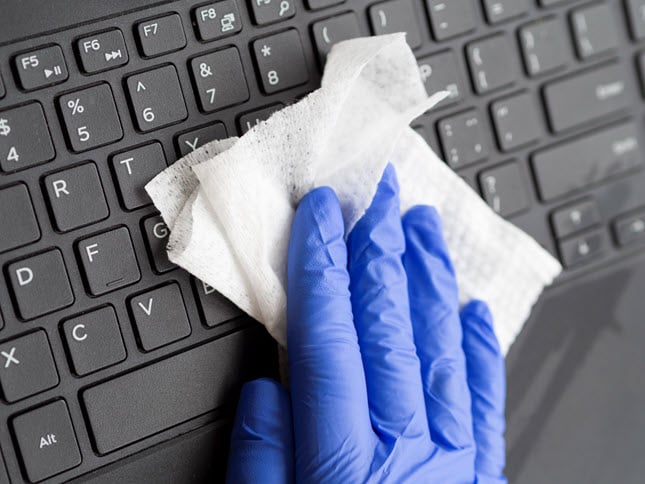
While it might be tempting to clean your remotes with disinfecting wipes, it’s not a good idea. The harsh chemicals can not only damage your electronics but also be absorbed into your body.
Additionally, if you use them on any screens, it can leave a nasty film, creating streaks that can damage your electronics. Therefore, please refrain from using them on keyboards, mice, computers, screens, or any other electronic devices in your home.
Instead, use a product designed to clean them properly, such as these Streak-Free Electronic Wipes Screen Cleaner. I use them on all of my electronic devices, and I know they won’t damage them.
7 – Doorknobs
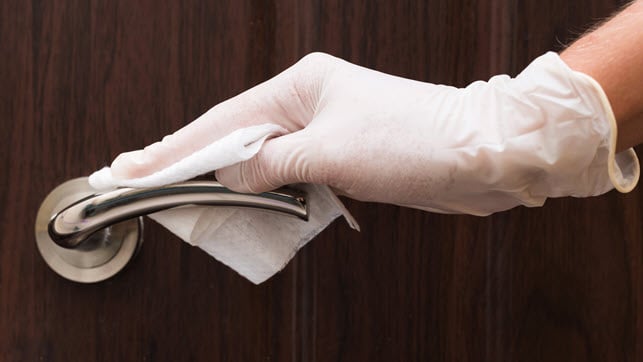
While you might think it’s safe to use them on doorknobs, remember we touch them with our hands. Therefore, it’s possible to absorb some of the chemicals in the disinfecting wipes. I don’t take any chances, and instead, I use soapy water to wash them.
Disinfecting Wipes in Closing
So, you might be asking, What can I use disinfecting wipes on in my home? Read the label carefully: Different brands and types of wipes have varying instructions for contact time (the length of time the surface needs to stay wet for disinfection) and suitable surfaces. Moreover, this is critical for the wipes actually to kill germs, not just clean.
Disinfecting wipes are convenient for cleaning and killing germs on many surfaces in your home, especially high-touch areas. However, it’s crucial to use them correctly and on appropriate surfaces to ensure safety and effectiveness.
Additionally, the label will inform you about what you can clean with them and what to avoid. Remember, every company creates its wipes for different uses, and it’s essential to read the instructions before using them.
For surfaces that come into contact with food (like countertops), it’s a good idea to rinse them thoroughly with soapy water after the required contact time and then dry them. Of course, this is to remove any chemical residue.
Don’t Forget To Pin Your Inspiration!
We participate in the Amazon Services LLC Associates Program, Skimlinks, and other Affiliate Programs. As an Amazon Associate, I earn from qualifying purchases. Affiliate advertising programs like these allow us to earn fees by linking to affiliated sites at no cost to you. As Amazon Associates, we earn from qualifying purchases. Please check our Disclosure Privacy Policy page. Thank you for supporting our website.


