Pool Chemicals And Lung Health: What Homeowners Should Know
Discover the various types of pool chemicals and how they help keep your pool safe and enjoyable throughout the year. Maintaining a clean pool is essential for safety and hygiene; however, the chemicals used to treat pool water can have unintended effects on both indoor and outdoor air quality.
These effects are especially concerning for people with asthma, allergies, or other respiratory conditions. Understanding how pool chemicals interact and affect the lungs can help homeowners make safer maintenance choices.

How Pool Chemicals Become Airborne
Chlorine is one of the most used pool disinfectants. While it effectively kills bacteria and other pathogens, chlorine can react with organic matter, such as sweat, urine, and sunscreen, to form chloramines.
These byproducts are volatile and can become airborne, particularly in enclosed or poorly ventilated spaces such as indoor pools. Once airborne, they irritate the respiratory tract and may trigger coughing, wheezing, or shortness of breath.
Even outdoor pools are not exempt. Wind and heat can increase evaporation rates, sending chlorine vapors into the surrounding air. Prolonged exposure to these vapors may cause throat irritation and exacerbate conditions such as bronchitis or asthma.

Who Is Most at Risk
Children, competitive swimmers, and individuals with pre-existing respiratory issues are most vulnerable to the effects of airborne pool chemicals. Their airways may react more strongly to chemical irritants, leading to increased sensitivity or chronic inflammation.
Furthermore, some studies have shown that regular exposure to chlorinated pools is associated with higher rates of asthma-like symptoms, particularly in children who frequently swim.
Pool maintenance workers and homeowners who handle concentrated chemicals are also at increased risk, especially if safety guidelines are not followed. Improper storage or mixing of pool chemicals can release harmful fumes that affect both short-term and long-term respiratory health.
Improving Air Quality Around Pools
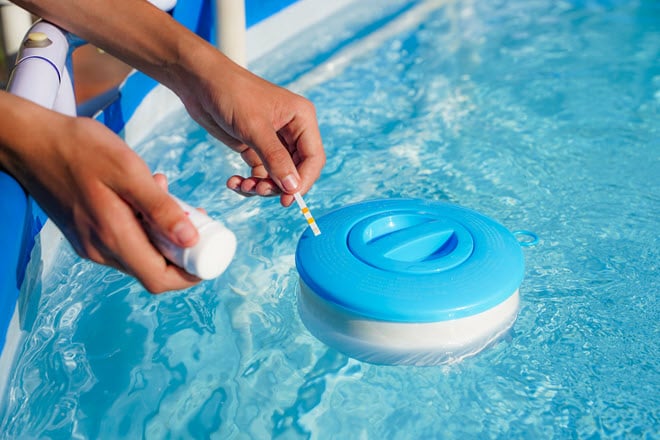
There are steps homeowners can take to reduce exposure. Ensuring proper ventilation in pool areas, especially indoor spaces, helps limit the concentration of chemical fumes. Regular pool maintenance should include monitoring chemical levels and avoiding overuse of disinfectants. Pool covers can reduce evaporation and limit the release of chemicals into the air.
If parts of the pool’s plumbing or circulation system need repair, using high-quality components is important. For example, a properly sealed PVC ball valve replacement can prevent leaks that might otherwise lead to chemical exposure near equipment areas.
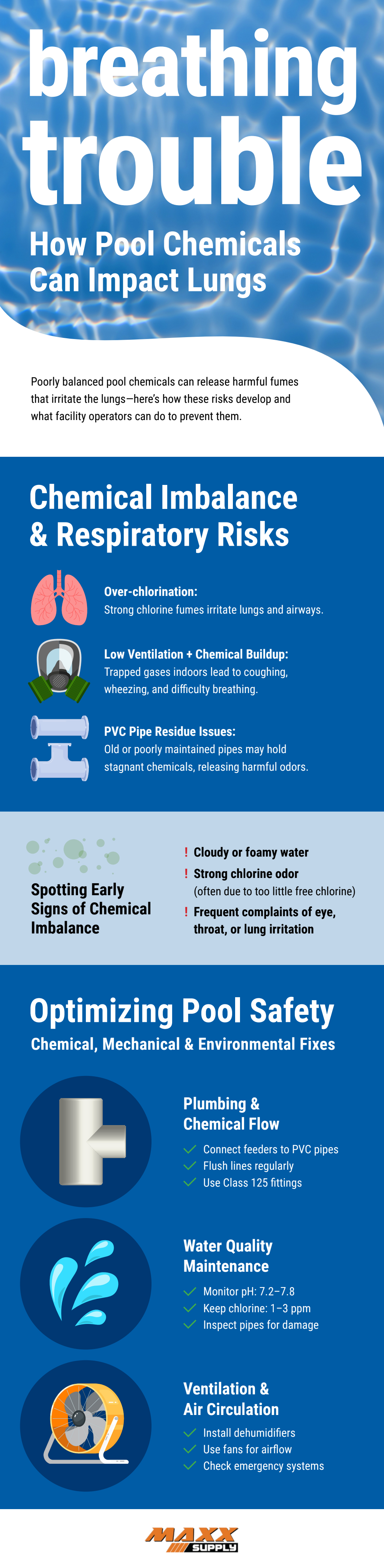
Awareness of how pool chemicals affect lung health is crucial for maintaining safe pool ownership. With careful handling and thoughtful maintenance practices, homeowners can enjoy the benefits of a clean pool while protecting their respiratory health. To learn more, look over the infographic below.