
A Simple Guide To Matching Sauce And Wine
We all love creating delicious recipes, especially when creating sauce and wine combinations that can elevate a meal from ordinary to unforgettable. Moreover, the key is understanding how flavors interact with each other.
A great meal is often remembered for its flavors, and one of the easiest ways to enhance them is to pair the right wine with the sauce. While many people focus on matching wine with the main protein, the sauce often has a greater influence on the overall taste of a dish. Learning a few basic pairing principles can help create a more balanced dining experience.
Below, you’ll discover how to match sauce and wine by weight, acidity, and intensity. This way, you can create a balanced dining experience where neither element overpowers the other.
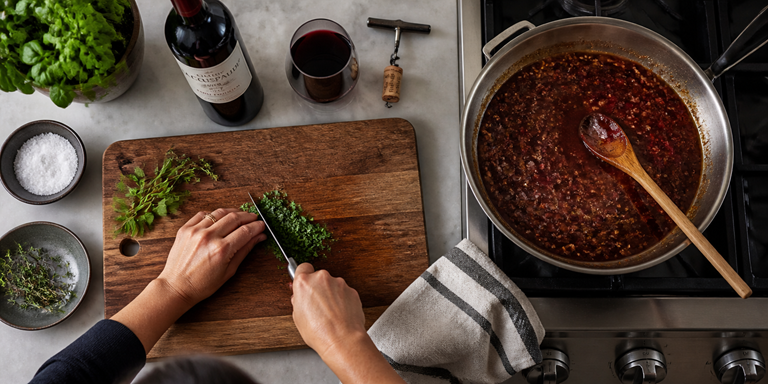
Start With the Sauce, Not the Protein
When choosing a wine, pay attention to the sauce first. A grilled chicken breast can taste completely different depending on whether it is served with a cream sauce, tomato sauce, or herb-based sauce. The strongest flavors on the plate should guide the wine selection. A rich sauce may call for a fuller-bodied wine, while a lighter sauce often pairs better with a crisp and refreshing option.
Furthermore, a rich, creamy sauce often pairs beautifully with a full-bodied white wine, while a light tomato-based sauce tends to complement a medium-bodied red. When selecting a pairing, consider the dominant ingredients and seasonings in the dish rather than focusing solely on the protein.
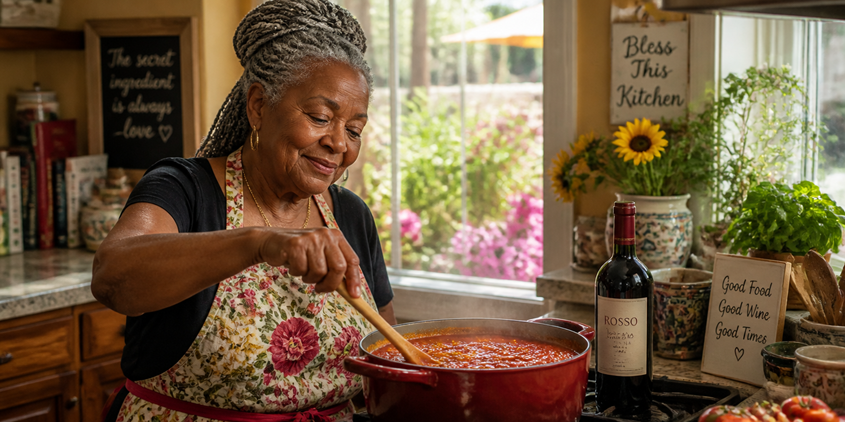
Pair Tomato-Based Sauces With Higher-Acid Wines
Tomato sauces are naturally acidic, which can make some wines taste flat or dull. Wines with bright acidity tend to work well because they complement the freshness of the tomatoes. Italian varieties such as Chianti or Sangiovese are common choices for pasta dishes with marinara or meat sauce.
Furthermore, tangy sauces with high acidity pair well with wines that have similar brightness, while buttery or cream-based sauces benefit from wines that offer refreshing acidity to cleanse the palate. Whether you’re serving pasta, delicious seafood recipes, poultry, or beef, choosing the right combinations can enhance flavors and bring out the best in every bite and sip.

Match Cream Sauces With Fuller Wines
Cream-based sauces have a rich texture that can coat the palate. A wine with more body can stand up to these flavors without being overshadowed. Chardonnay is a popular option for dishes featuring Alfredo, creamy seafood sauces, or rich poultry preparations. The wine’s texture often works well alongside the smooth character of the sauce.
Additionally, wines such as Chardonnay, Viognier, or a rich white blend have enough weight and complexity to complement creamy dishes without overwhelming them. The wine’s acidity also helps cut through the richness of the sauce. Moreover, this creates a balanced and enjoyable pairing that enhances both the food and the wine.
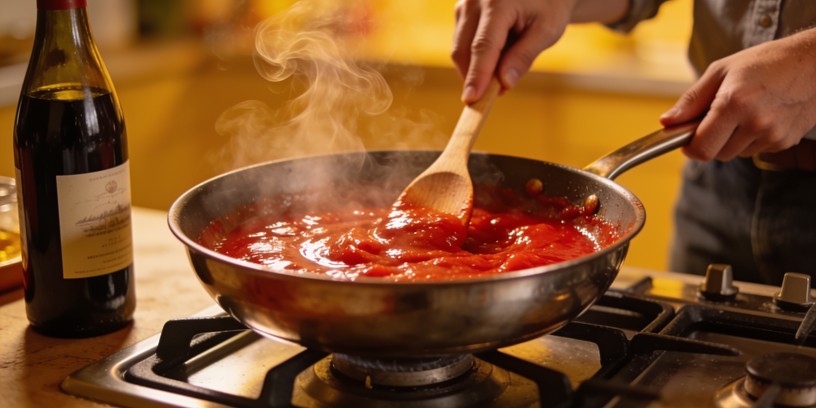
Balance Spicy Sauces With Fruit-Forward Wines
Spicy sauces can make high-alcohol wines feel even stronger. Many people find that slightly fruity wines pair well with spicy dishes because they help soften the heat. Riesling and Gewürztraminer are frequently recommended for foods featuring chili peppers, curry sauces, or spicy glazes. The combination creates a more enjoyable balance between spice and sweetness.
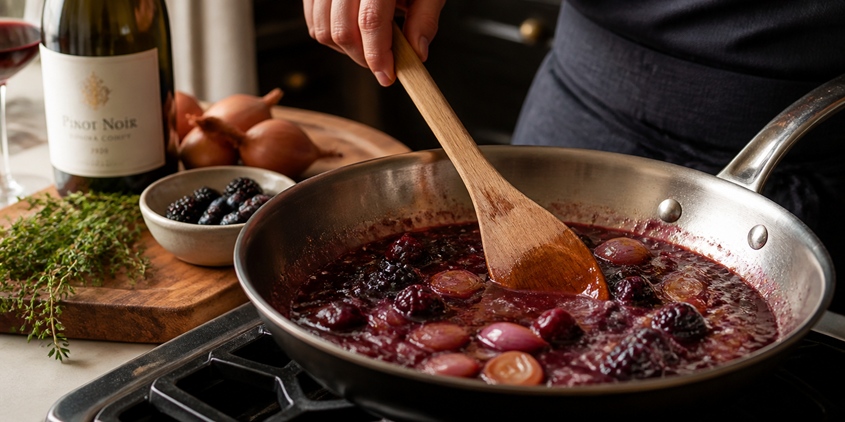
Consider Herb and Butter Sauces
Light sauces made with herbs, olive oil, or butter generally pair best with lighter wines. Sauvignon Blanc, Pinot Grigio, and other crisp white wines often complement these dishes without overpowering them. Many diners discover this pairing while enjoying a special dinner at Travelers Rest, where carefully selected wines often accompany fresh seasonal dishes.
Choosing a wine does not have to feel complicated. Focusing on the sauce instead of the main ingredient can make pairings much easier and more consistent. Look over the infographic below for more information.



