
Why Youth Activities Create Memories That Last
Youth activities often become some of the most meaningful parts of childhood. Sports teams, music groups, camps, clubs, and community programs give children opportunities to build friendships, gain confidence, and develop important life skills.
Moreover, long after childhood ends, many adults still remember the practices, performances, games, and group trips that shaped their early years.
Below, you’ll discover why youth activities are essential for developing and maintaining healthy children into adulthood.
Team Activities Build Strong Friendships
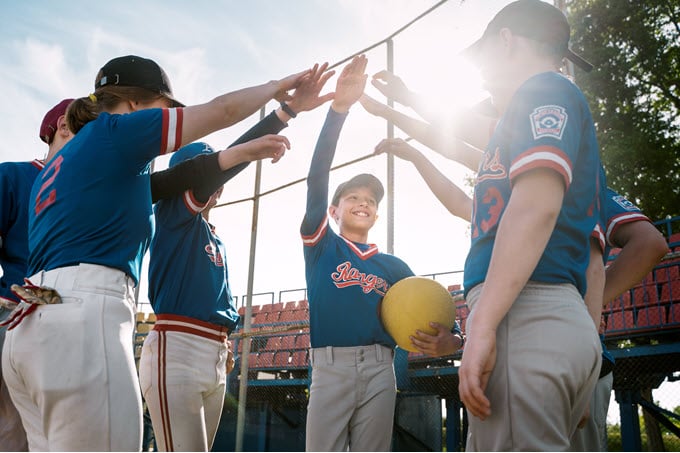
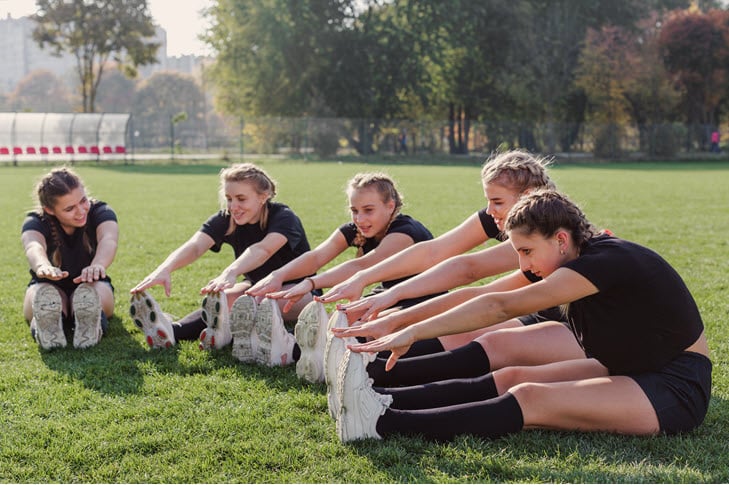
Group activities give children regular opportunities to connect with peers outside of school classrooms. Practices, competitions, and team events often help young people learn cooperation, communication, and trust. Working together toward common goals may strengthen social skills while helping children feel included and supported.
Friendships formed through sports teams, dance programs, theater groups, and clubs often continue for years because of the shared experiences involved. Even simple traditions such as team dinners, bus rides, or wearing matching cheerleading uniforms for sale during competitions can become meaningful memories later in life.
Furthermore, team activities build strong friendships by bringing people together through shared experiences, teamwork, and common goals. And this is where youth activities become essential to children’s development. So, whether they play sports, participate in clubs, work on projects, or join group events, individuals learn to communicate, trust, and support one another.
Spending time together in team settings helps people understand each other’s strengths, personalities, and challenges, fostering deeper connections. Working toward success as a group also creates memories and a sense of belonging that can strengthen relationships over time.

Youth Activities: Challenges Help Children Grow
Youth activities also teach children how to handle setbacks and personal growth. Learning new skills takes patience and repetition. Children may experience disappointment after losses, missed opportunities, or difficult performances, though these situations often help build resilience over time.
Positive coaching and supportive adult involvement may help children develop confidence while learning how to respond to pressure in healthy ways. Success feels more meaningful when children work consistently toward goals through practice and teamwork. Through cooperation and shared experiences, facing challenges often turns acquaintances into lasting friends.
Family Involvement Strengthens Memories
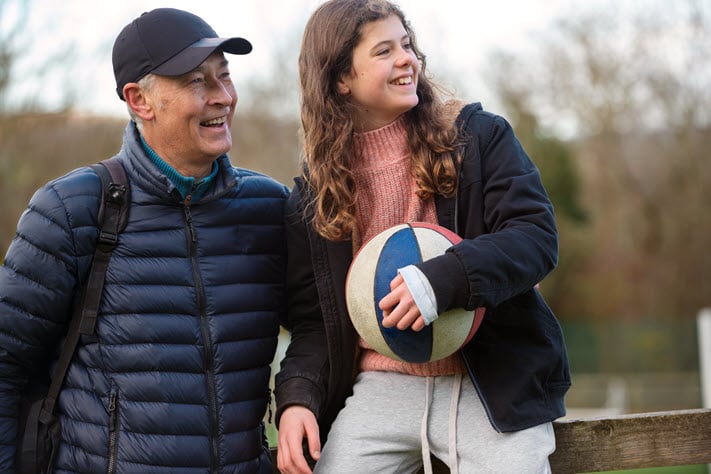
Parents and caregivers often play a major role in shaping positive youth activity experiences. Attending games, performances, practices, and community events gives families shared experiences that children often remember for years. Simple routines such as post-game meals or conversations after events may become important family traditions over time.
Children frequently remember encouragement and emotional support just as much as the activity itself. Consistent family involvement may also help children feel valued and motivated during challenging periods.
Youth Activities: Experiences Often Matter More Than Awards
Trophies and medals may fade over time, though experiences often remain memorable much longer. Children usually remember friendships, travel experiences, funny moments, and personal accomplishments more clearly than final scores or rankings. Activities that create positive emotional experiences often leave lasting impressions during important developmental years.
Youth activities help children build friendships, confidence, and emotional growth through shared experiences and personal challenges. Teamwork, family support, and participation often create memories that remain meaningful long after childhood ends. For more information, feel free to look over the accompanying resource below.


